
Sleep is non-negotiable when it comes to your mental and physical health. Without enough good-quality sleep, you can suffer greatly. Mood changes, difficulty concentrating, and daytime fatigue can be brutal. However, there are serious, long-term consequences to getting consistently poor sleep. This includes chronic conditions, such as heart disease, type 2 diabetes, and the risk of stroke. Getting at least seven to nine hours of sleep each night is necessary. You should feel refreshed and rejuvenated after this much sleep. If you do not feel good when you wake up, consider the top signs you may need a sleep study.
Signs You May Need a Sleep Study
Poor sleep is more than just an inconvenience. In fact, it is often a signal of an underlying condition, including sleep disorders. Many people take poor sleep as their reality. However, this is not normal and requires a thorough evaluation. A sleep study is a highly reliable diagnostic tool that can get you answers quickly. Below are some of the most common signs you are a good candidate for a sleep study.
1. Loud or Chronic Snoring
Occasional snoring is not a serious cause for concern. However, persistent, loud snoring is one of the common symptoms of sleep apnea. This is a serious medical condition that requires immediate treatment. The condition is characterized by the airway partially collapsing during sleep. This forces your body to work much harder to breathe. You may wake up several times throughout the night, or you may not wake up at all. Either way, the condition affects your sleep quality. When left untreated, it can lead to several long-term health conditions.
2. Pauses in Breathing
Your partner or a family member may notice your symptoms while you sleep. Pauses in breathing during sleep are not normal and require an evaluation. This is especially true if you gasp for air or choke during your sleep, regardless of whether you wake up. Breathing pauses are common symptoms of sleep apnea. They indicate that your airway becomes obstructed during the night. Each pause can worsen your sleep quality and have a detrimental effect over time. A sleep study is necessary to help you find the root cause of the issue.
3. Excessive Daytime Sleepiness
Feeling persistently tired is not normal and requires an evaluation from a sleep specialist. If this occurs for more than a few days each week for two weeks, it is time for a thorough evaluation at the Asthma and Sleep Institute. This can have a serious impact on your daily life at work, school, or even socially. Falling asleep at inappropriate times or just being tired constantly is a sign of a more serious issue. A sleep study can provide vital information pointing towards the cause of your fatigue.
4. Morning Headaches or Dry Mouth
Sometimes sleep issues can cause symptoms you may find unrelated to underlying sleep conditions. However, morning headaches and dry mouth are signs of sleep issues. These symptoms indicate that your oxygen levels may be dropping during sleep. Low oxygen saturation can result from repeated breathing interruptions during sleep. The brain responds by dilating blood vessels, which contribute to morning headaches. Dry mouth is associated with mouth breathing during sleep. This can be a sign of nasal obstruction or upper airway dysfunction. Both symptoms point towards the need for an evaluation, like a sleep study.
5. Insomnia With No Clear Cause
Chronic insomnia that does not resolve with conservative at-home treatments is a cause for concern. In many cases, sleep issues can be improved with proper sleep hygiene. If your sleep issues persist after improving your sleep conditions, a sleep study may be necessary. Several conditions can cause these issues. Restless leg syndrome and sleep apnea are common. Mental health conditions, such as stress, anxiety, or depression, may also be at play. If you struggle with falling asleep, staying asleep, or waking up too early, consult with a sleep specialist for support.
What to Expect From a Sleep Study
Understanding what happens during a sleep study can reduce your concerns beforehand. Feeling prepared can ensure your sleep study works. It can also help you get back to feeling like yourself again. Sleep studies are non-invasive, painless, and you should feel comfortable. They are designed to replicate your natural sleep environment as closely as possible. There are both in-person and at-home sleep studies.
In-Person Sleep Studies
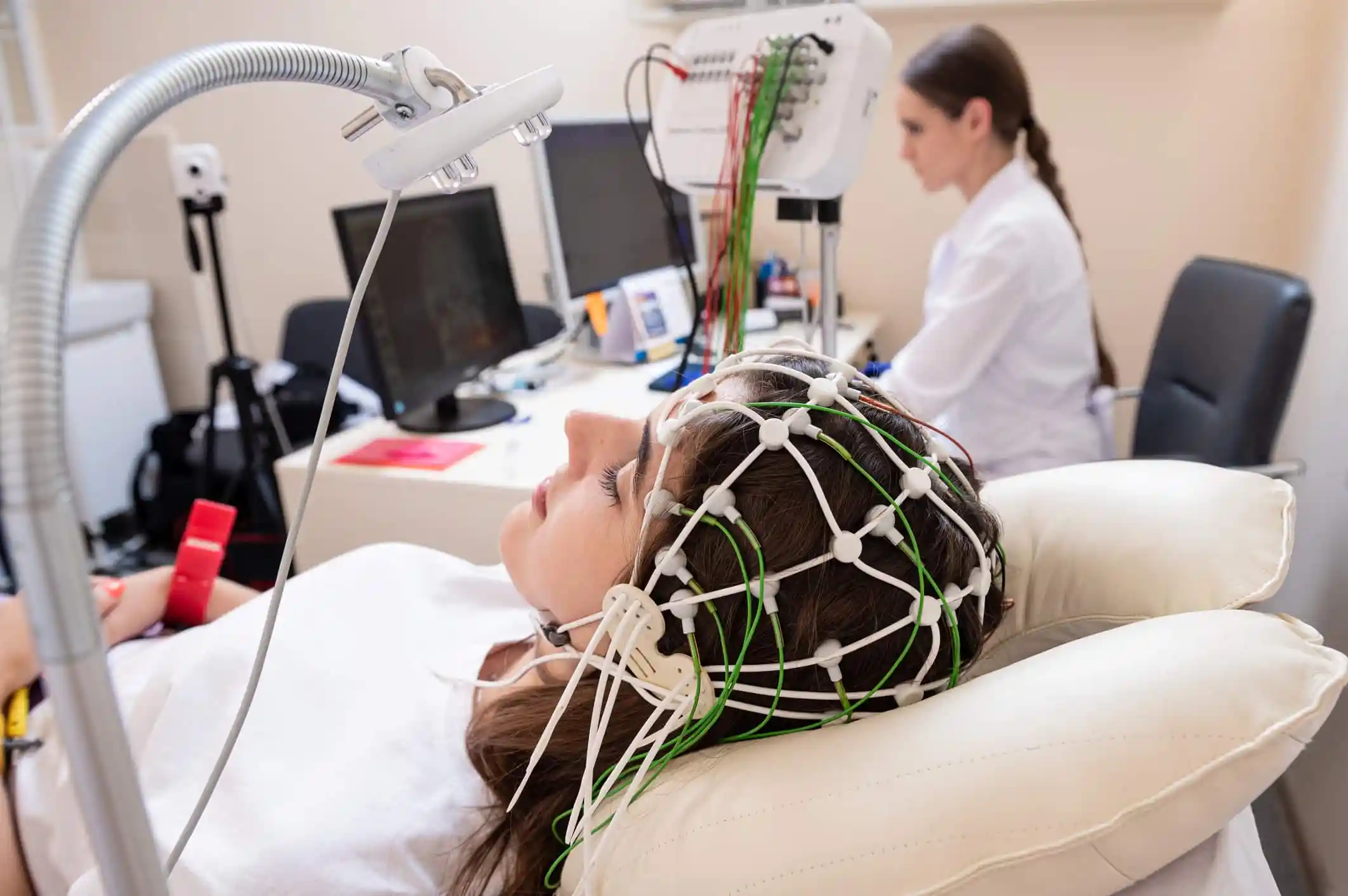
An in-person sleep study is the gold standard for outcomes. You will arrive at the sleep center in the evening. You will be guided to a comfortable, private room. Once you are in the room, a trained professional will apply sensors to multiple areas of your body. These are necessary to record your sleep data. You are not required to fall asleep immediately or follow a strict schedule. Once you wake up in the morning, you can head home. Your data will be interpreted and shared with you at a follow-up appointment.
At-Home Sleep Testing
For patients whose symptoms point towards obstructive sleep apnea, at-home testing may be appropriate. The study is performed with a device worn overnight in your own bed. It measures your breathing patterns, oxygen levels, and heart rate. This is not appropriate for every patient. Your provider will let you know if you are a good candidate for an at-home sleep test. For patients with complex medical histories, suspected central sleep apnea, or other comorbidities, an in-person sleep study is often recommended.
Post-Sleep Study Treatment Plan
After your sleep study, you will need to visit your provider. They will review your sleep data with you. From there, a customized treatment plan based on your unique needs will be created. Next steps will be provided at this appointment. You may need to attend more appointments so your doctor can monitor your progress.
Top Asthma and Sleep Institute
Sleep disorders are more common than people think, as they often go undiagnosed. If you struggle with sleep, contact Dr. Shukla and his team at the Asthma & Sleep Institute today to schedule your consultation!


