
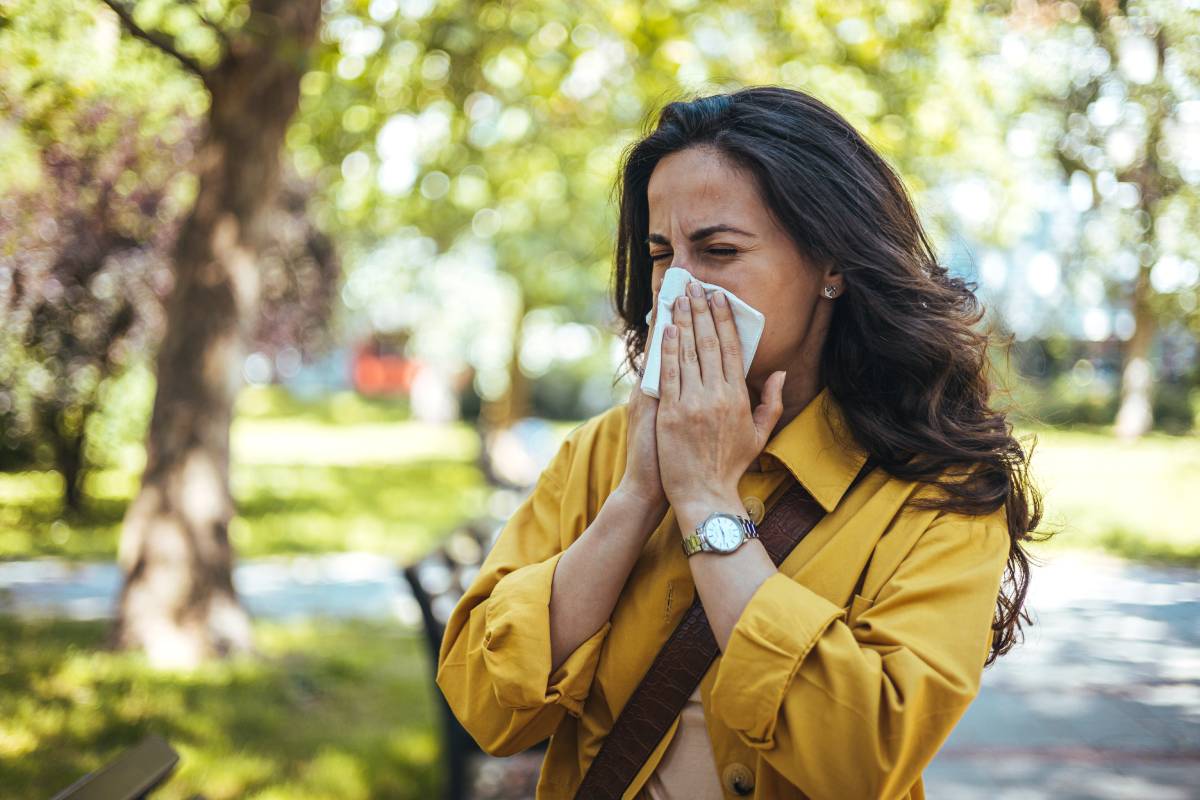
For many people, allergies do not feel as seasonal as they used to. Allergy seasons were often short, occurring in the spring or fall. Common symptoms included sneezing, coughing, congestion, and asthma flare-up. These symptoms lasted for a short period, often a few weeks to a month. For those with allergies, the season brings symptoms that last for months now. You may wonder, are allergy seasons getting longer? Below you will find helpful information about the changes and what you can do about them.
Are Allergy Seasons Getting Longer?
It is well documented that allergy seasons are getting longer. The medical community and environmental researchers have noticed these changes. The implications of this can be extremely impactful for those with allergies. Longer allergy seasons mean more exposure to triggers. This is especially true for people with tree allergies, asthma, or other respiratory conditions. Increased airway inflammation and a higher risk of breathing problems lead to daily issues. Understanding why this is happening and how to manage your symptoms is key. Below are the combined factors that extend and intensify pollen seasons.
Warmer Temperatures
Rising global temperatures have caused seasonal changes. Spring arrives much earlier than in the past in several regions. This results in trees responding by pollinating sooner. The pollen continues to release later into the season, extending it by months in some cases. The earlier start caused by warmer temperatures results in more exposure. Instead of a short few weeks of symptoms, people experience them for much longer.
Increased Carbon Dioxide
Higher atmospheric carbon dioxide levels promote increased plant growth. Trees then produce more pollen than ever before. This is their response to increased carbon dioxide exposure. Researchers have found that pollen is also more potent. Potent pollen triggers more severe reactions and symptoms in those with allergies. For those with asthma, stronger pollen can lead to more airway inflammation. This results in symptoms that are more frequent, last longer, and are more severe.
Air Pollution
Urban air pollution contributes to longer allergy seasons by prolonging symptom duration. It extends the symptoms even after pollen levels drop. Pollutants from vehicles and manufacturing plants combine with pollen. These pollutants then inflame the airways. When this occurs, it prevents the airway from fully recovering. Additionally, pollution also breaks down pollen into smaller particles. This results in the particles staying airborne longer and travelling farther. Because of this, people in urban environments often experience allergy symptoms for longer.
Limited Recovery Time
Allergy seasons feel longer because the body does not have enough time to recover between seasons. Seasons tend to overlap due to prolonged pollen release and environmental irritations. This keeps the immune system activated for longer periods. Inflammation then becomes chronic versus seasonal.
How to Manage Asthma During Allergy Season
Managing asthma during allergy season can be extremely difficult. When allergens are present in the air, asthma control depends on a multi-factor approach. Consistency and prevention are key to keeping your symptoms under control.
Identify and Monitor Triggers
Asthma symptoms worsen when specific allergens are present. Understanding your triggers is a key piece to the puzzle. Once you identify the trigger, note down your symptoms, their frequency, and severity. Knowing which allergens affect you helps you plan to proactively avoid them. In addition to understanding your triggers, monitor daily pollen levels. Reducing unnecessary exposure can reduce your symptoms.
Reduce Indoor Allergen Exposure
While pollen comes from outside, it can accumulate and impact your indoor air quality. There are several effective ways to reduce indoor exposure. Keeping your windows and doors closed on high-pollen-count days is essential. If you do go outdoors, shower and wash your clothes as soon as you get in. It is also helpful to regularly clean your bedding and clean soft surfaces. Pollen can easily attach and cause unwanted symptoms. Implementing these strategies can improve your indoor air quality.
Exercise Strategically
Exercise is an important part of your cardiovascular and lung health. Before implementing an exercise routine, work with New York’s top asthma doctor. They can create an exercise plan tailored to you. When you do exercise, pay attention to the timing. If you exercise outdoors, pollen levels are highest in the morning. On high-pollen-count days, opt for indoor workouts or schedule your exercise for later in the day. Maintaining a consistent exercise routine can be highly beneficial when supervised by a skilled asthma doctor.
Adhere to Your Personalized Asthma Plan
A personalized asthma treatment plan is necessary to manage the condition. Following a plan can reduce your symptoms. It also ensures any long-term complications do not impact you. This includes daily management strategies and how to address asthma attacks. For many people, this includes daily medication and rescue inhalers. Your asthma doctor can also inform you of specific warning signs and when to seek medical care. Following a structured plan has been shown to reduce symptoms and emergency medical visits.
When Asthma and Allergy Symptoms Should Be Evaluated
Asthma or allergy symptoms should not be left untreated. They can lead to unwanted symptoms, long-term health issues, and impact your overall quality of life. Early intervention is key for both conditions. For those with both allergies and asthma, immediate treatment is necessary. There are several indications that your asthma or allergies require professional evaluation.
- Symptoms that worsen in the spring or early summer
- Symptoms that continue despite treatment
- Nighttime or early morning breathing problems
- Increased use of rescue inhalers
- Unable to stay active or regularly exercise
Asthma and allergies affect the airways. Coordinated care is essential for your short and long-term health. Having a skilled asthma doctor evaluate both conditions can provide you with relief. Patients often report an improvement in their overall quality of life after starting a consistent, targeted treatment plan.
New York’s Top Asthma Doctor
Allergies can have a serious impact on your daily life. If you have allergies, contact Dr. Shukla at the Asthma & Sleep Institute today to schedule an appointment!


