
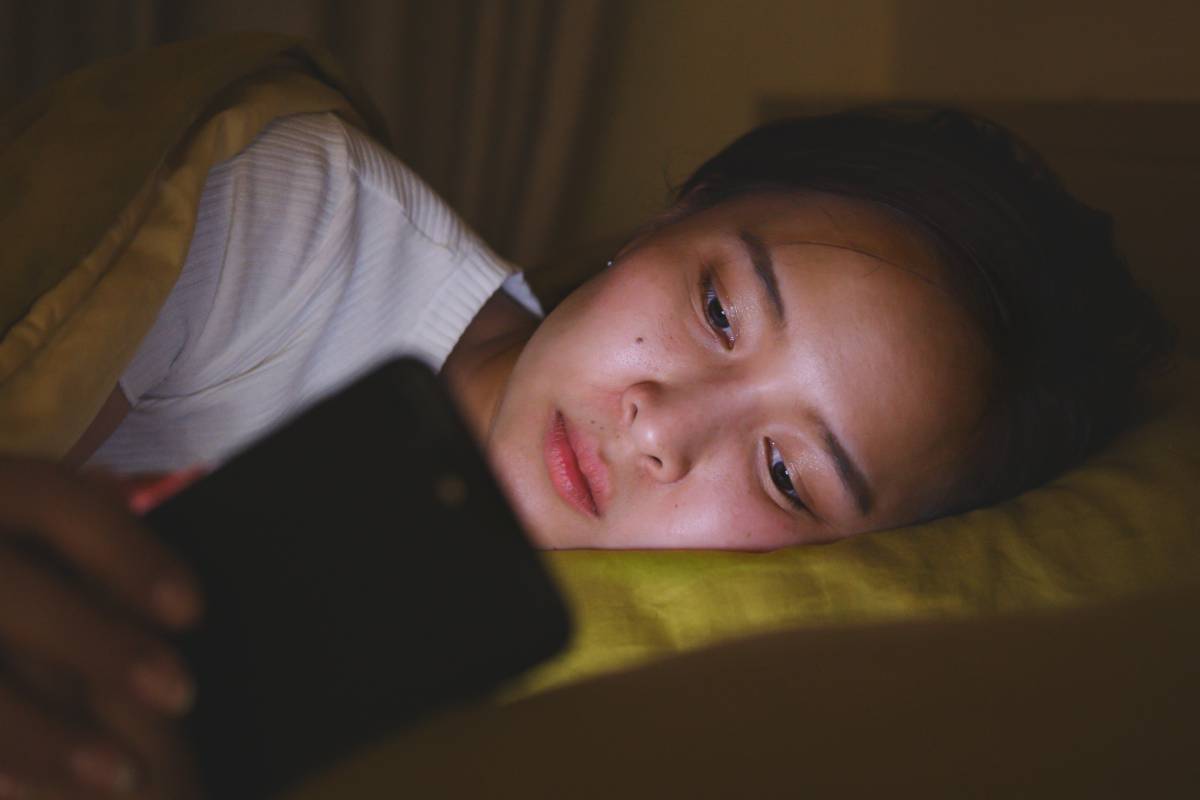
Conflict impacts more than just the areas where the war occurs. On an individual level, the political or social issue can be heavy. It influences stress levels, emotional well-being, and sleep quality. Conflict causes fear and uncertainty. It also involves constant exposure to negative and distressing messages. This level of intensity, sustained over prolonged periods, causes several health issues. You may wonder, how do wars influence sleep health? Below you will find helpful information on what steps to take if your sleep is impacted by conflict.
How Do Wars Influence Sleep Health
Understanding how war impacts sleep health is important. It can help you recognize what you are experiencing. You can use that information to take steps to protect your overall well-being. The right tools and support can help you navigate troubling times as best as possible. In some cases, treatment for sleep disorders is necessary.
Stress Responses are Heightened
War inevitably increases stress levels. This is true even for those who are not directly involved in the immediate conflict. Seeing images or hearing sounds associated with conflict can be triggering. It activates the fight-or-flight system. The brain reacts, leading to increased heart rate and alertness. This makes it much harder to fall or stay asleep.
Research has shown that people exposed to ongoing conflict experience several unwanted issues. This includes restless sleep, nightmares, and even insomnia. Staying in a constant state of alertness makes it much more difficult for the body to sleep. It also reduces the quality of sleep. This makes it much more challenging to get deep, restorative sleep. Without treatment or reprieve, this can lead to daytime challenges. This includes fatigue, irritability, and concentration issues.
Constant Exposure Impacts Mental Health
Constant exposure to distressing news or being in a conflict zone is a problem. It has a direct impact on one’s mental health. Images, videos, and updates about violent activities activate the brain’s emotional response. This is true whether you are in the war zone or just consuming media regarding it. When this occurs, it triggers anxiety and makes it much harder to relax at night.
There is strong evidence linking consuming stressful media to mental health issues. These mental health issues have a direct impact on your sleep. This is especially true if you consume distressing content at night. It increases the likelihood of delayed sleep, waking up throughout the night, and vivid dreams. The feeling of overwhelm and lack of safety disrupts your brain’s natural wind-down processes. Many experience anxiety and sleep issues that impact their mental and physical health.
Daily Routine Changes
War often disrupts the daily lives of those who are in the conflict zone. It can also affect viewers of the war. Social media has made global affairs much more accessible. You can easily consume content from people directly in the conflict zone. The organic dissemination of information is valuable. However, it can lead to serious health issues when it involves distressing content. The daily lives of those in the conflict and those viewing it are constantly unpredictable. Things like curfews, power outages, and unpredictable changes in leadership can alter the way daily life looks.
Recent events in the Russia-Ukraine and Israel-Palestine conflicts have changed the lives of so many people. The Ukrainians are impacted by Russian leadership, similar to the way Palestine is constantly at the mercy of the Israeli government. The unpredictability makes daily life challenging, if not impossible. Those around the world getting updates spend more time on their screens. The conflict in these locations creates constant emotional exhaustion. However, that does not correlate with the ability to fall asleep, stay asleep, or get good-quality sleep.
How to Get Rest During Times of War
Research from global humanitarian groups has found that sleep is extremely difficult in Palestine and Ukraine. There are high rates of insomnia, nightmares, and chronic fatigue due to the displacement caused by the Russian and Israeli leadership. Children are the most impacted by these issues. They have the highest rates of sleep disturbance due to the fear and trauma associated with their environment. While it is extremely challenging, there are several ways to improve sleep during times of conflict.
Limit News Intake Before Bed
For some, this may be impossible. Regular updates are a life-or-death choice in certain areas. Limit news intake before bed. One hour is a good rule of thumb. It lowers stress levels and improves sleep quality. Choose specific times of the day to check updates. This is much more manageable for your brain than doom scrolling throughout the entire day.
Maintain a Consistent Sleep Schedule
A regular sleep schedule is one of the most effective ways to ensure you get good rest. Even during difficult times, going to bed and waking up at the same time each day is essential. It effectively stabilizes your internal clock. Consistency also supports hormone resolution and improves overall sleep quality. Even if you are unable to fall asleep right away or wake up throughout the night, get up at the same time every morning. This can create a rhythm that your body can get used to.
Deep Breathing Before Bed
Deep breathing exercises and mindfulness meditation are effective in calming your nervous system. Research has shown that they lower your heart rate and reduce anxiety. This can make it much easier to fall asleep and stay asleep. When paired with a consistent sleep schedule and effective winddown routine, people find that their sleep quality improves.
Seek Treatment When Needed
Talking to a professional is necessary in some cases. If you have persistent sleep issues for two weeks or more, contact a sleep and asthma doctor for all ages. They can evaluate your symptoms and determine the right course of action. Be sure to share your sleep issues with them, including the type and severity of your symptoms. This can help inform them of the potential cause of your sleep disruptions. Treatment often includes a combination of medication and lifestyle changes. However, each patient is unique, so treatment can vary.
Leading Asthma Doctor for Sleep Disorders
Sleep is an essential part of your mental and physical health. If you struggle with sleep, contact Dr. Shukla at the Asthma & Sleep Institute today to schedule your consultation!


